Blog
How remote hiring in the United States actually works – postings, pay, interviews, and the rules that come with working across state lines.
-
Job search
How to Find Legitimate Remote Jobs (and Where They Actually Come From)
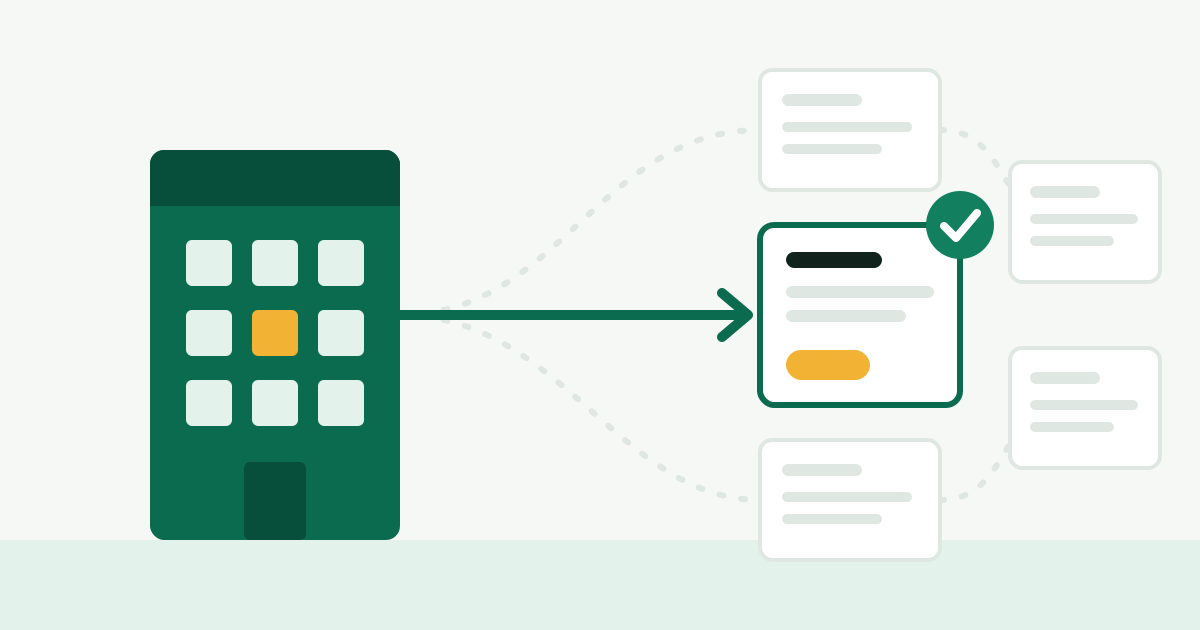
Every real remote job starts on an employer's own career page and gets copied outward from there. This guide shows how that copying works, where it goes wrong, and how to search from the source instead.
· 6 min read
-
Job search
Remote Job Scams: The Red Flags and How to Verify a Posting
Remote job scams follow a small number of scripts, and each one breaks down at the same points. Here is how the schemes work, what a real hiring process asks for and when, and a ten-minute way to verify a posting.
· 7 min read
-
Remote work
Remote, Hybrid, Distributed: What Job Postings Really Mean
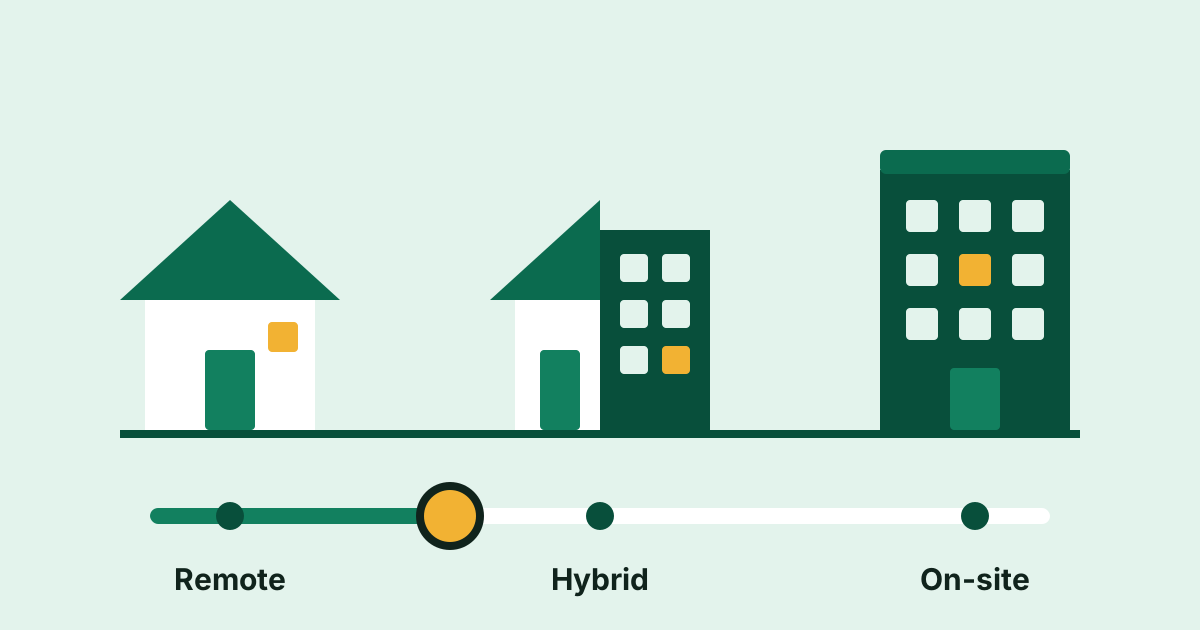
Employers use remote, hybrid, distributed and remote-first for very different arrangements, and the word in the headline rarely tells you which one you are getting. This guide translates the terms and lists the questions that settle it.
· 7 min read
-
Remote work
Why 'Remote' Jobs Are Limited to Certain States
A remote employee turns the employer into a local employer in that employee's state, with payroll registrations, insurance and state labor law attached. This post explains what each obligation is and what a state list means for you as an applicant.
· 7 min read
-
Pay & benefits
Pay Transparency Laws: Which States Require Salary Ranges in Job Postings
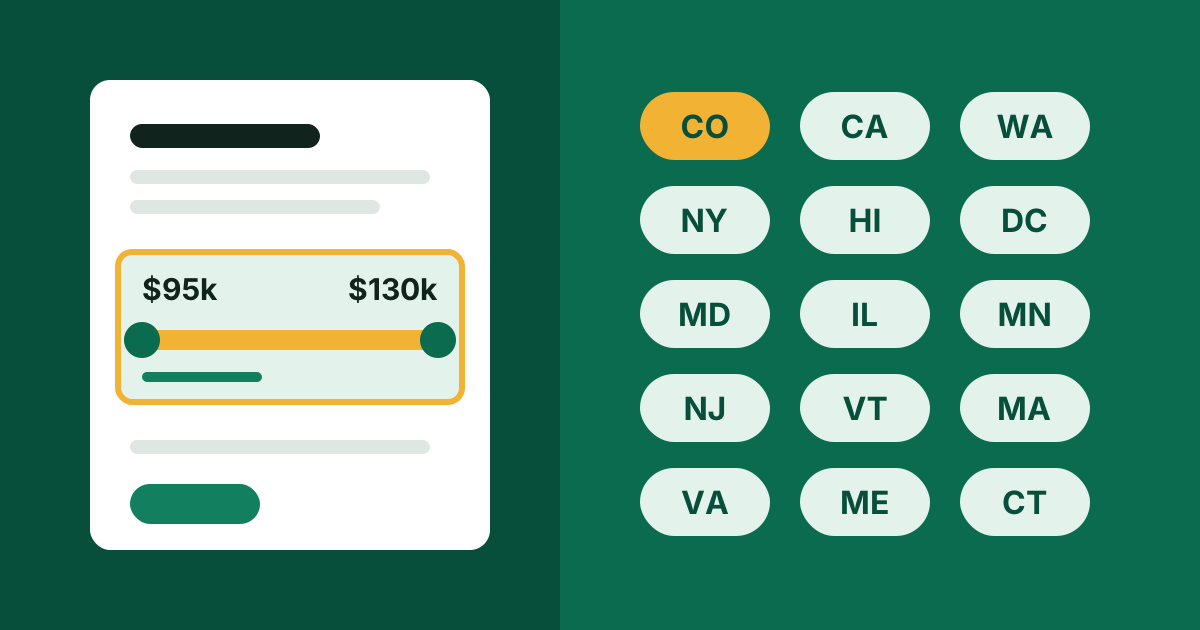
As of late 2026, fourteen states and Washington, DC require employers to put a pay range in job postings, and several of those laws reach remote jobs. This post lists them, explains the remote rules, and shows what to do when a range is missing.
· 7 min read
-
Pay & benefits
How to Read the Salary Range in a Job Posting
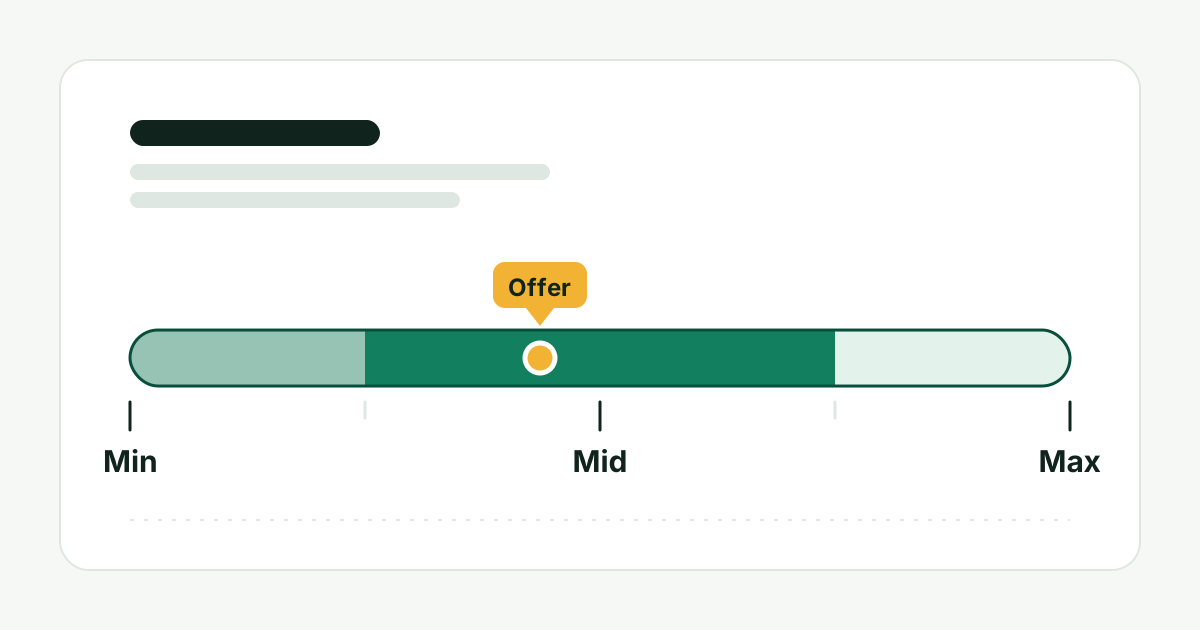
A posted salary range tells you more than two numbers, if you know which questions to ask of it. This guide explains what the range covers, why some are so wide, and where real offers tend to land inside it.
· 7 min read
-
Pay & benefits
Geographic Pay Zones: Why the Same Remote Job Pays Differently
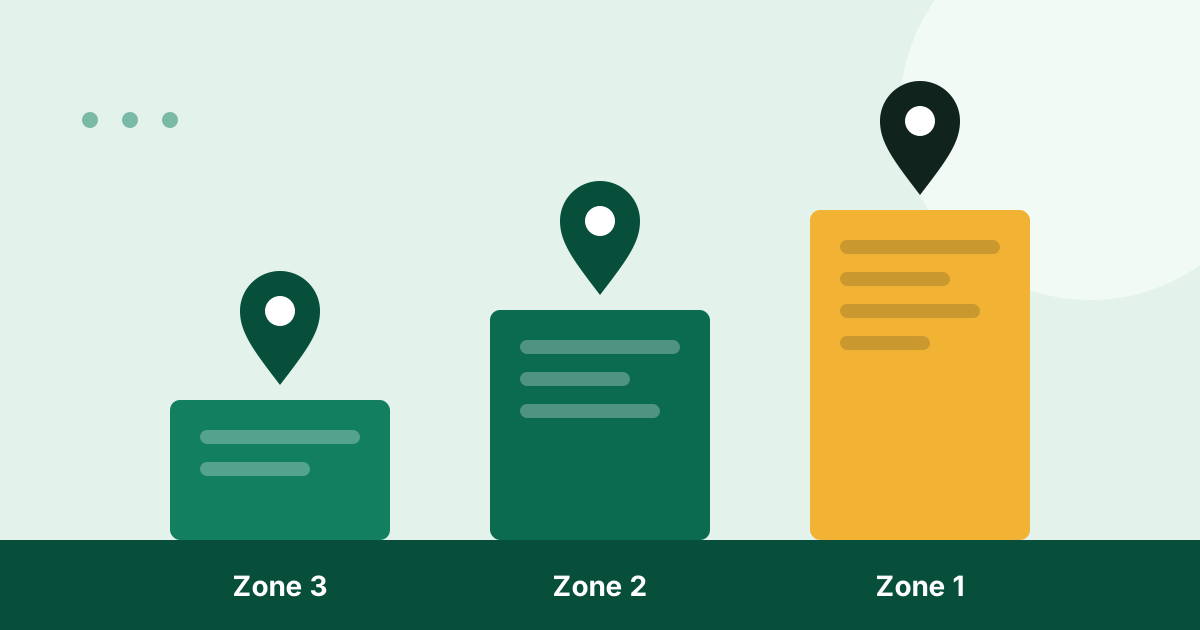
Many remote employers pay the same role differently depending on where the employee lives. This post explains how pay zones are built, how to tell which model a company uses, and what happens to your salary when you move.
· 7 min read
-
Pay & benefits
Remote Work and State Taxes: Living in One State, Working for Another
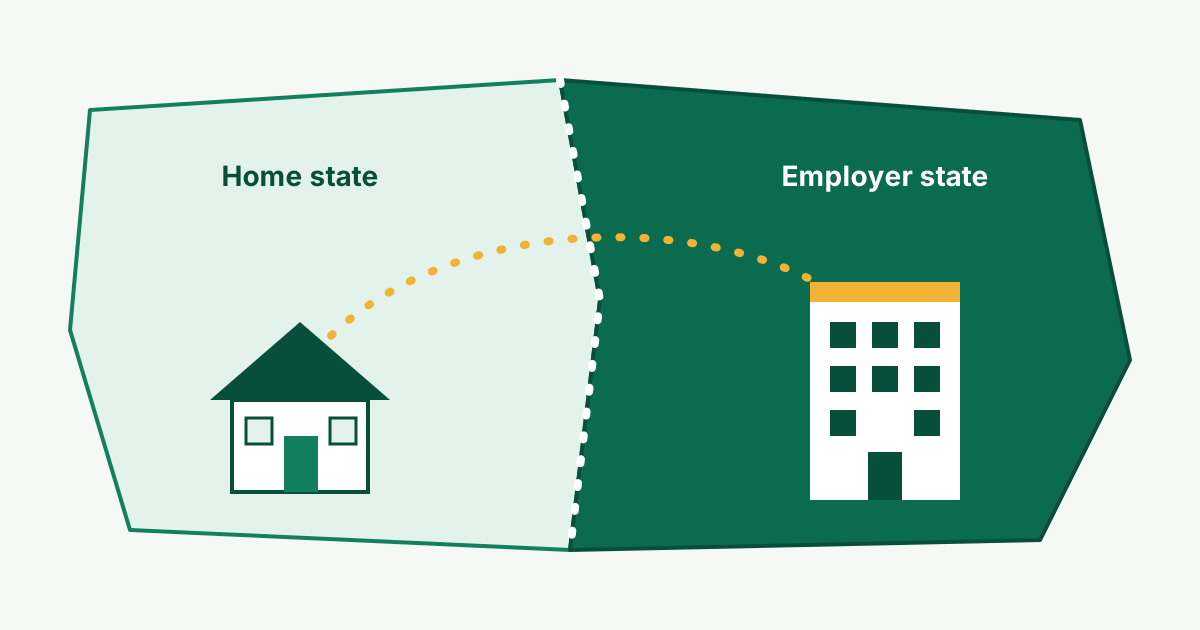
When your employer sits in one state and your desk in another, state income tax follows rules most people have never had to think about. This post explains which state taxes your pay, the exceptions that cause double withholding, and what to check.
· 7 min read
-
Pay & benefits
Negotiating a Remote Job Offer: What Is Actually on the Table
A remote offer has more moving parts than base salary, and some of them matter more than the number you first look at. This post lists what you can realistically negotiate, what you cannot, and how to ask without putting the offer at risk.
· 7 min read
-
Pay & benefits
Equity Compensation Explained: RSUs, Stock Options and Offer Value
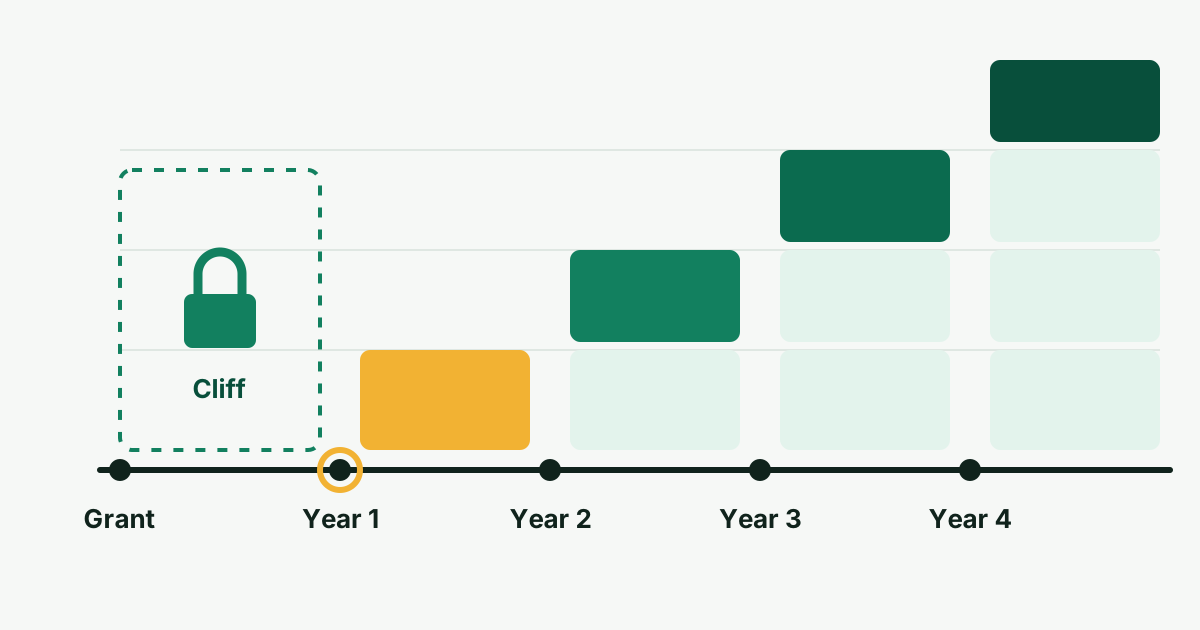
Equity can be a large part of an offer or a number that never turns into money. This post explains how RSUs and stock options work, when each is taxed under federal rules, and which questions tell you what a grant is realistically worth.
· 7 min read
-
Job search
A Resume for Remote Jobs: What to Change and What to Leave Alone
A remote resume is an ordinary good resume with four or five deliberate changes. This post shows which lines to rewrite, where to put your location, and which popular remote-resume advice you can safely ignore.
· 7 min read
-
Job search
How Applicant Tracking Systems Work and What It Means for You
An applicant tracking system is mostly a database with a workflow on top, operated by people. This post explains what happens to your application after you click Apply and which formatting and wording choices follow from it.
· 7 min read