Blog
How remote hiring in the United States actually works – postings, pay, interviews, and the rules that come with working across state lines.
-
Job search
Cover Letters for Remote Jobs: When They Help and How to Write One
Most remote applications do not need a cover letter, and a few are decided by one. This post gives you a rule for telling them apart and a four-paragraph structure you can write in twenty minutes.
· 7 min read
-
Interviews
Video Interviews: Setup, Structure and the Mistakes That Cost Offers
For a remote job, the video interview is also a preview of what working with you will be like. This post covers the setup that matters, how a typical interview loop is structured, and the avoidable mistakes interviewers remember.
· 7 min read
-
Interviews
Remote Job Interview Questions and How to Answer With Evidence
Remote interviews keep returning to the same few themes, such as autonomy, writing, visibility and judgment. This post lists the questions you should expect, what each one is really testing, and how to build answers from things you have done.
· 7 min read
-
Interviews
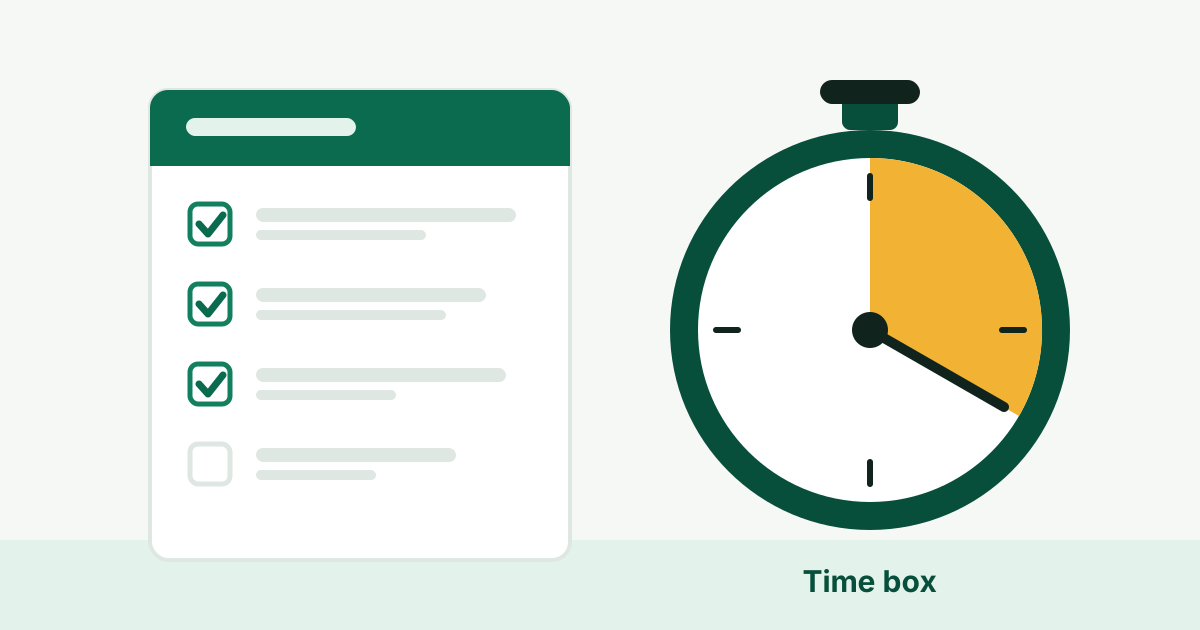
Take-Home Assignments and Work Samples: How Much Time to Give
A take-home assignment tests how you work when nobody is watching, which is most of a remote job. Here is how to scope the time, what reviewers actually grade, and when an assignment is asking for too much.
· 7 min read
-
Remote work
Asynchronous Communication: The Skill Remote Employers Screen For
Remote teams run on messages that have to make sense hours later to someone who was not in the room. This post shows what good asynchronous writing looks like, where employers test it during hiring, and how to practice it.
· 7 min read
-
Remote work
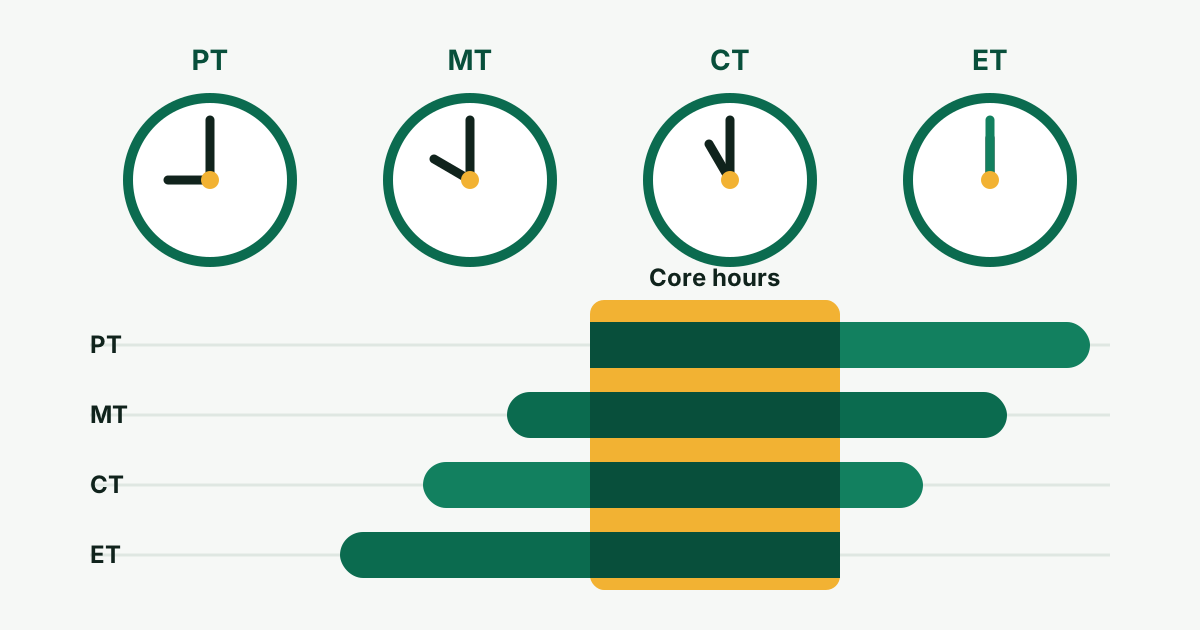
Time Zones and Core Hours: Reading the Schedule Behind a Remote Job
Remote does not mean any hours you like. This post explains what core hours, overlap requirements and time zone lines in a job posting mean for your actual day, and which questions to ask before you accept.
· 7 min read
-
Remote work
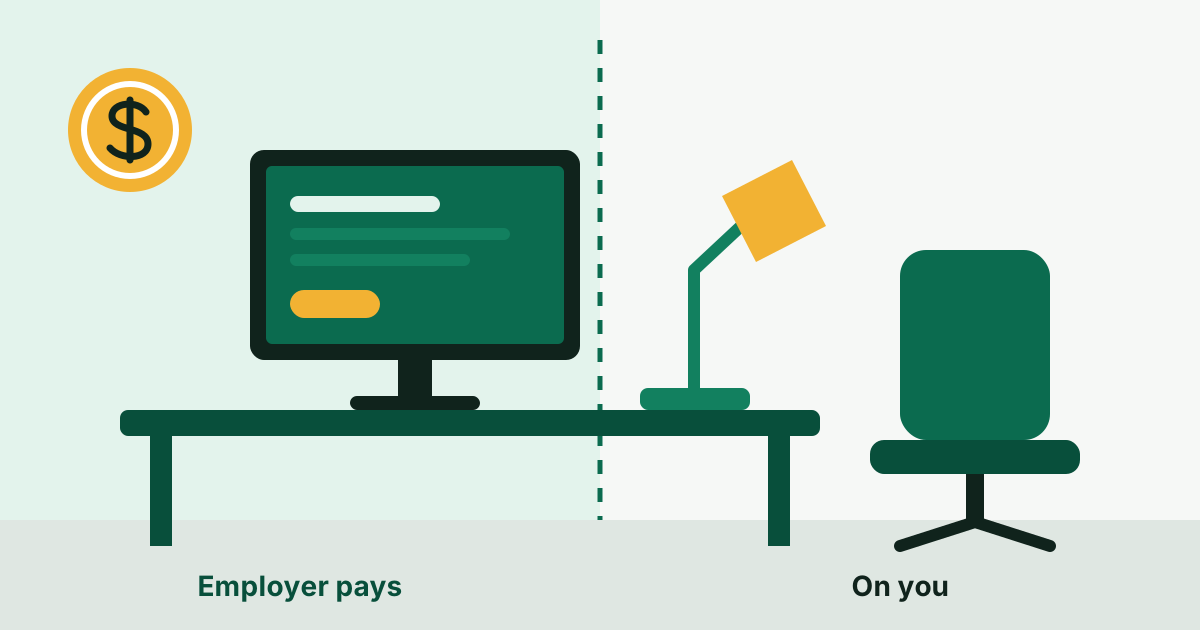
Home Office Setup and Stipends: What Employers Pay For
Who pays for the desk, the monitor and the internet bill depends on your employer's policy, your state and how the money is paid. This post sorts out what is typical, what the law requires and how stipends are taxed.
· 7 min read
-
Pay & benefits
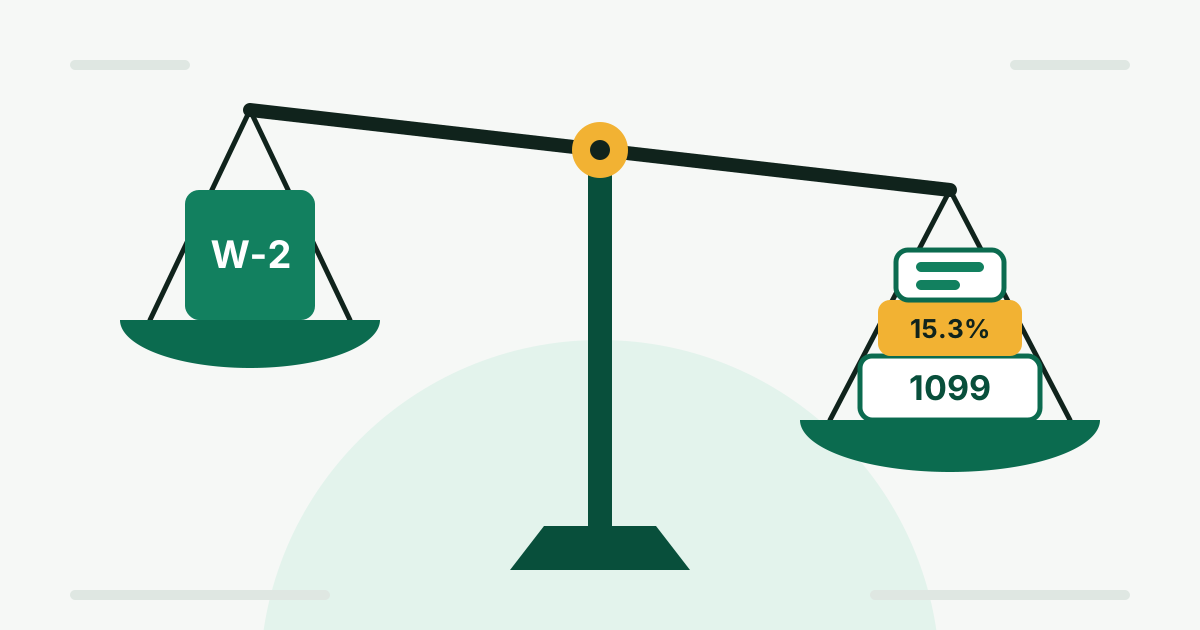
W-2 Employee or 1099 Contractor: What the Difference Costs You
The same remote job can be offered as W-2 employment or as 1099 contract work, and the two are not worth the same money. This post covers the taxes, the missing protections, the legal tests and how to compare the rates.
· 7 min read
-
Pay & benefits
Remote Job Benefits: Health Insurance, 401(k) and Leave Across State Lines
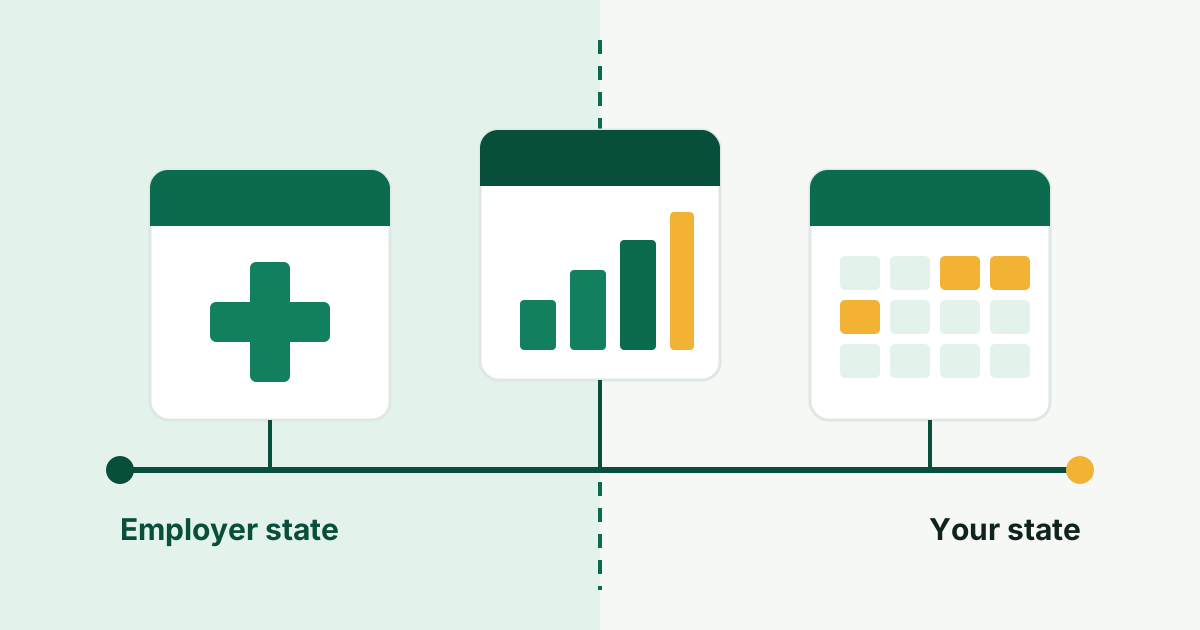
A benefits package is written once at headquarters, but a remote employee uses it in another state. This guide shows what changes with your address, from doctor networks and paid leave to COBRA, and what to ask before you accept.
· 7 min read
-
Career
Entry-Level Remote Jobs: Where They Exist and How to Get the First One
Remote jobs for beginners are rarer than job boards suggest, and they cluster in a few kinds of work. Here is where to look, what employers need to see from someone without experience, and how to avoid the scams aimed at beginners.
· 7 min read
-
Career
Changing Careers Into Tech: Roles That Take Career Changers
Most people who move into tech do not become programmers. This guide shows which roles regularly hire from other industries, how to translate your experience into their terms, and how to make a credible case without starting over.
· 7 min read
-
Career
Your First 90 Days in a Remote Job: A Plan That Works From Home
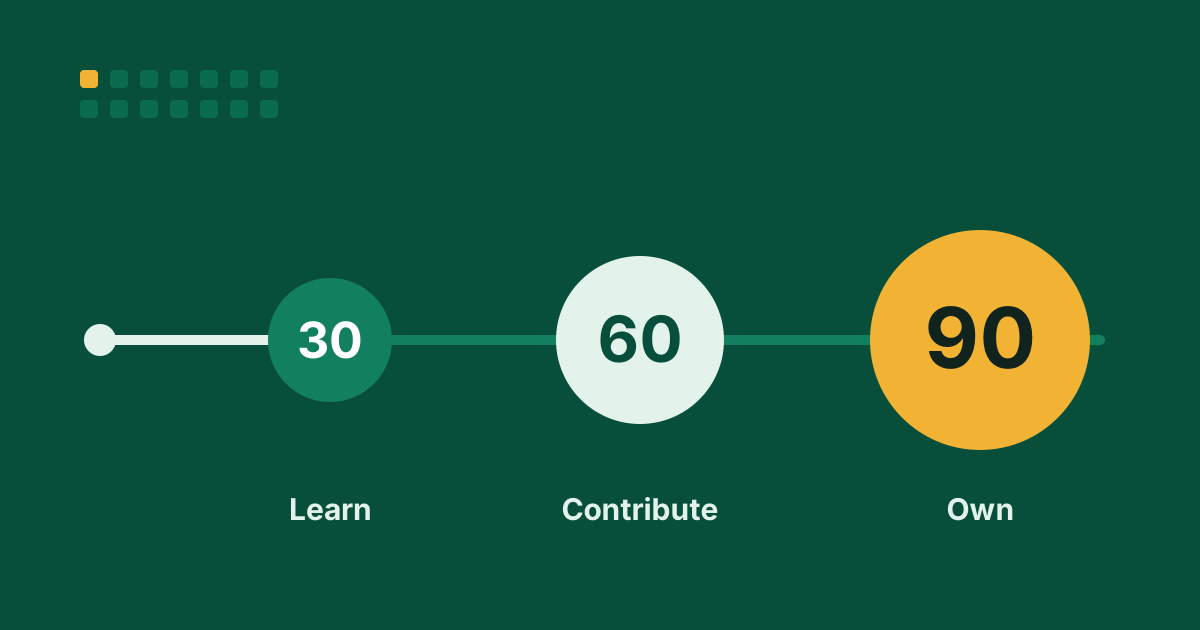
Nobody watches you settle in when you start remotely, so you have to make your progress visible yourself. This plan covers the week before you start, the first week, and what to learn, deliver and agree with your manager by days 30, 60 and 90.
· 7 min read